| Course Syllabus: Mechanical/Electrical/Plumbing (MEP) I | Description of Course Syllabus for MEP |
| Course Modules: Mechanical/Electrical/Plumbing (MEP) I | NCCER Course Modules, Craft Training, Performance Evaluations, Pre-Apprentice Program |
Wamego High School, 1 year long course. .5 credit per sem.

Kansas State-Approved Course Syllabus, Mechanical/Electrical/Plumbing (MEP) I – Code 17062
| Wamego High School Landing Page | Click on the Hyperlink on the left to return to the Wamego High School Landing Page. |
NCCER modules needed to deliver the training required by Kansas Course 17062 – Mechanical/Electrical/Plumbing (MEP) I (technical-level, 0.5-credit course, effective SY 25/26).
The official KSDE competencies document (DOCX) describes a course introducing basic skills for occupations in skilled mechanical trades (HVAC/mechanical, electrical, plumbing). It builds on prerequisites like Introduction to Skilled Trades and emphasizes safety, hand/power tools, blueprints/drawings, math/measurements, and introductory overviews of MEP systems (e.g., refrigeration components, piping, circuits).
Kansas CTE Construction & Design Pathway aligns these competencies with NCCER curriculum (standard for high-school construction training). MEP I typically covers the full NCCER Core Curriculum (foundational for all trades) + selected introductory Level 1 modules from Plumbing, Electrical, and HVACR (for the “Mechanical” portion). This allows students to earn NCCER credentials (Core + partial/complete Level 1) that count toward concentrator/completer status and align with application-level courses (e.g., Plumbing Technology 17058, Electrical Technology 17113, HVAC Technology 17056).
NCCER Course Modules, Click on the Module title to enter module training.
| Craft/Area | NCCER Module ID | Module Title | Approx. Hours | Relevance to MEP I Competencies (from syllabus snippets) |
|---|---|---|---|---|
| Core | 00101 | Basic Safety | 12.5 | Job-site safety, PPE, hazards (all MEP trades) |
| Core | 00102 | Introduction to Construction Math | 10 | Measurements, calculations for piping/electrical/HVAC |
| Core | 00103 | Introduction to Hand Tools | 12.5 | Proper use/maintenance of hand tools in HVAC/Plumbing/Electrical |
| Core | 00104 | Introduction to Power Tools | 10 | Safe operation of power tools across MEP trades |
| Core | 00105 | Introduction to Construction Drawings | 10 | Reading blueprints, MEP plans, scales, symbols |
| Core | 00106 | Introduction to Basic Rigging | 7.5–10 | Material handling/rigging for MEP installations |
| Core | 00107 | Introduction to Communication Skills | 7.5 | On-site communication (common in all trades) |
| Core | 00108 | Introduction to Employability Skills | 7.5 | Career readiness, licensure paths |
| Core | 00109 | Introduction to Material Handling | 5 | Safe handling of MEP materials/components |
| Plumbing L1 | 02101 | Introduction to the Plumbing Profession | 5 | Trade overview, roles, basic plumbing concepts |
| Plumbing L1 | 02103 | Tools of the Plumbing Trade | 10 | Plumbing-specific tools (aligns with hand/power tools) |
| Plumbing L1 | 02105 | Introduction to Plumbing Drawings | 10–17.5 | Plumbing-specific prints/risers/isometrics |
| Plumbing L1 | 02106 / 02107 | Plastic Pipe & Fittings / Copper Pipe & Fittings | 12.5 each | Basic piping practices (DWV, supply) |
| Electrical L1 | 26101 | Orientation to the Electrical Trade | 2.5–5 | Trade overview |
| Electrical L1 | 26102 | Safety for Electricians | 10 | Electrical hazards, LOTO, PPE (beyond Core) |
| Electrical L1 | 26103 | Introduction to Electrical Circuits | 7.5 | Basic circuits, Ohm’s law |
| Electrical L1 | 26104 | Electrical Theory | 7.5 | Voltage/current/resistance |
| Electrical L1 | 26105 | Introduction to the National Electrical Code® | 7.5 | NEC navigation, code basics |
| HVAC/Mechanical L1 | 03101 | Introduction to HVAC | 7.5 | Mechanical systems overview, refrigeration components |
| HVAC/Mechanical L1 | 03106 | Basic Electricity (HVAC) | 10–15 | Electrical fundamentals applied to HVAC |
| HVAC/Mechanical L1 | 03103 | Basic Copper & Plastic Piping Practices | 12.5 | Piping shared with plumbing (mechanical systems) |
| HVAC/Mechanical L1 | 03107 / 03108 | Introduction to Cooling / Introduction to Heating | 15–30 | Major components of refrigeration/heating systems |
Exploring MEP Careers: Hands-On Opportunities in Mechanical, Electrical, and Plumbing Trades
MEP (Mechanical, Electrical, Plumbing) careers are among the strongest skilled-trade paths in Kansas and nationwide—no 4-year degree required. These roles keep buildings functional, comfortable, and efficient, with high demand driven by new construction, renovations, energy-efficiency upgrades, data centers, and infrastructure projects.
Your Kansas Course 17062 MEP I (with NCCER Core + introductory Level 1 modules) is the perfect launchpad. It delivers portable, industry-recognized credentials that employers and registered apprenticeship programs value highly—often counting toward required training hours and giving students a head start as paid apprentices or entry-level helpers.
Why MEP?
- Earn while you learn (most apprenticeships are paid).
- Strong wages from day one, with overtime and benefits common.
- Clear career ladder to $80k–$120k+ as journeyman, foreman, master, or business owner.
- Job security—labor shortages mean steady work year-round.
- Portable skills (work anywhere) and entrepreneurship potential.
MEP Careers Comparison Table
(Copy-paste into Excel/Google Sheets. Data from BLS May 2024; KS figures are 2025–2026 averages from industry reports/Indeed/ServiceTitan—actual pay varies by experience, location, OT, and union status. Wamego/Manhattan/Topeka area wages are competitive.)
| Trade | Typical Job Titles | What You Do (Daily Examples) | NCCER Pathway from MEP I | National Median Salary (May 2024) | KS Approx. Median / Journeyman Range | Job Growth 2024–2034 (Openings) | Key Certs / Next Steps |
|---|---|---|---|---|---|---|---|
| Mechanical (HVAC) | HVAC Technician, Installer, Service Tech | Install/repair heating, cooling, refrigeration systems; troubleshoot units; maintain commercial rooftops | Core + HVAC L1 (03101 Intro to HVAC, 03103 Piping, 03106 Basic Electricity, etc.) | $59,810 ($28.75/hr) | $57k–$66k+ (entry ~$28/hr + OT) | 8% (Much faster) ~40,100/yr | EPA 608 Refrigerant, NATE; Apprenticeship |
| Electrical | Electrician (Residential/Commercial/Industrial) | Install/maintain wiring, panels, lighting, controls; read blueprints; ensure code compliance | Core + Electrical L1 (26101–26105: Circuits, Theory, NEC basics) | $62,350 ($29.98/hr) | $60k–$72k+ (OT common) | 9% (Much faster) ~81,000/yr | State/local Journeyman License; IBEW Apprenticeship |
| Plumbing | Plumber, Pipefitter, Steamfitter | Install/repair pipes, fixtures, water/gas/drain systems; read isometrics | Core + Plumbing L1 (02101 Intro, 02103 Tools, 02105 Drawings, 02106/07 Piping) | $62,970 ($30.27/hr) | $58k–$68k+ | 4% (Average) ~44,000/yr | Local Journeyman/Master License; UA Apprenticeship |
| Cross-MEP / Advanced | MEP Maintenance Tech, Foreman, Contractor | Troubleshoot full building systems; lead crews; own business | Any L1 + experience + NCCER Leadership | $70k–$110k+ | $65k–$95k+ | Strong | Supervisor certs; Business ownership |
Entry-Level Starting Point: Helpers/Apprentices often begin at $17–$26/hr in KS while completing paid training (4–5 years to journeyman). Many MEP I graduates qualify for better starting rates thanks to NCCER credentials.
Career Ladder Example (typical 5–10 years): Helper/Apprentice (MEP I → paid training) → Journeyman → Master/Lead/Foreman → Supervisor, Estimator, Project Coordinator, or Independent Contractor (6-figure potential). Specialties: Solar/renewables, building automation, industrial process piping, facilities management.
Kansas-Specific Notes (Wamego area advantage)
- Licensing is local (cities/counties like Topeka, Manhattan, Wichita handle journeyman/master). HVAC often requires only EPA 608.
- Registered Apprenticeships: Search ksapprenticeship.org or KansasWorks.com—many count NCCER hours.
- Nearby programs: Washburn Tech (Topeka) offers NCCER-aligned Plumbing/HVAC; ABC chapters in KC/Topeka; community colleges (Highland, Neosho) for HVAC.
- Local demand: Strong in construction, manufacturing, schools/hospitals near Manhattan/Wamego. Check Indeed or local contractors for “NCCER” or “apprentice” listings.
- Unions: IBEW (electrical), UA (plumbing/HVACR) offer excellent pay/benefits.
Pros & Cons Pros: Tangible results you can see, variety (new builds vs. service calls), recession-resistant, green-tech growth, entrepreneurship. Cons: Physical work (heights, tight spaces, weather), occasional on-call/emergencies, safety focus required.
Next Steps for MEP I Students/Instructors
- Complete NCCER Core + chosen L1 modules → earn credentials.
- Apply for KS registered apprenticeships (paid!).
- Pursue trade-specific certs (EPA, OSHA 10/30, etc.).
- Explore: BLS.gov/ooh, NCCER.org/career-pathways, KansasWorks.com, local JATCs.
- Class activity: Research one career, job-shadow, or build a personal career plan linking MEP I competencies to job requirements.
MEP careers offer real earning power and stability—perfect for students ready for hands-on, high-demand work. Completing MEP I positions them ahead of the pack for apprenticeships and credentials that open doors statewide and beyond.
If you’d like this as a downloadable CSV, student worksheet, local job listings, or expanded details (e.g., women in trades, entrepreneurship focus, or MEP design/engineering path for college-bound students), just let me know!


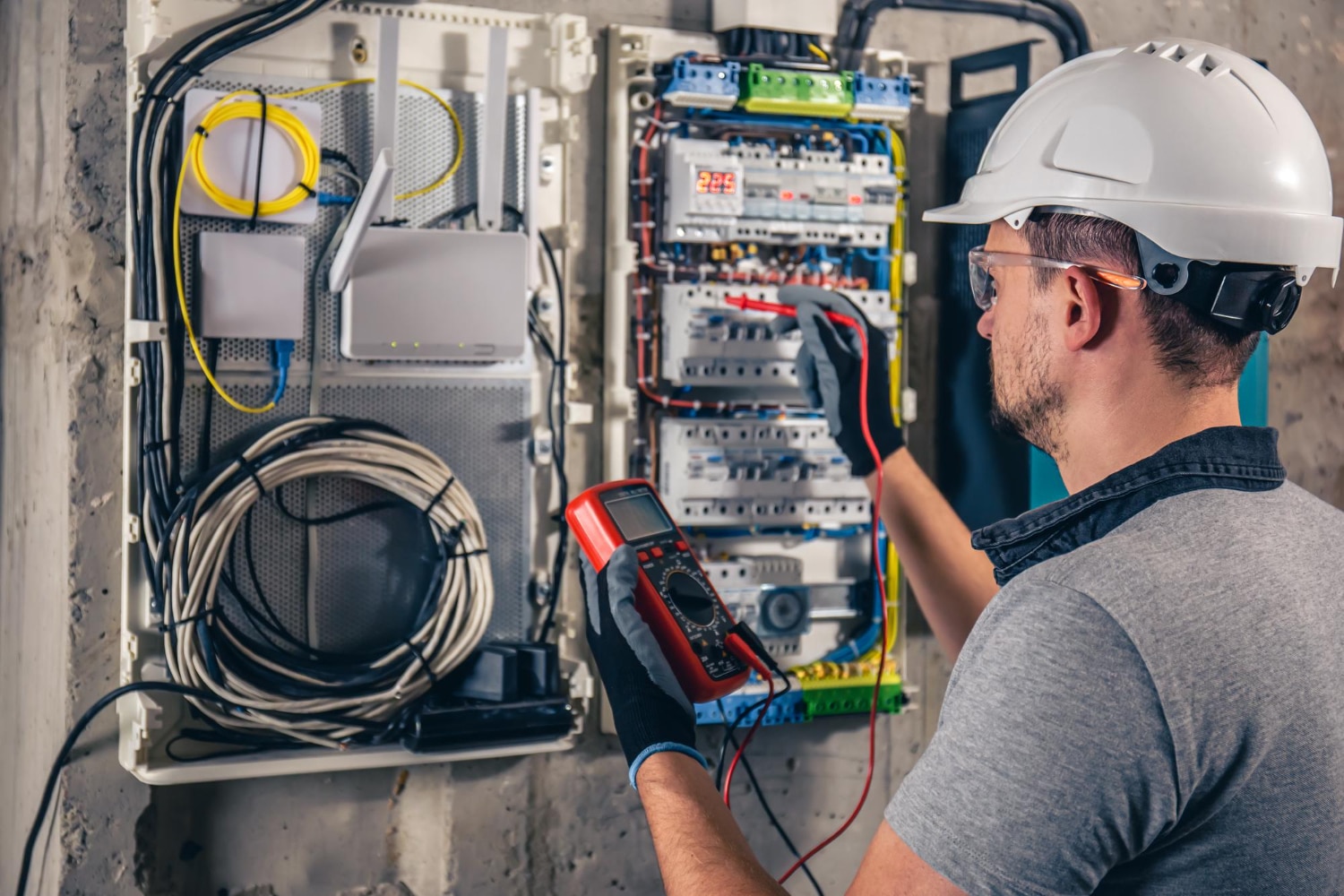


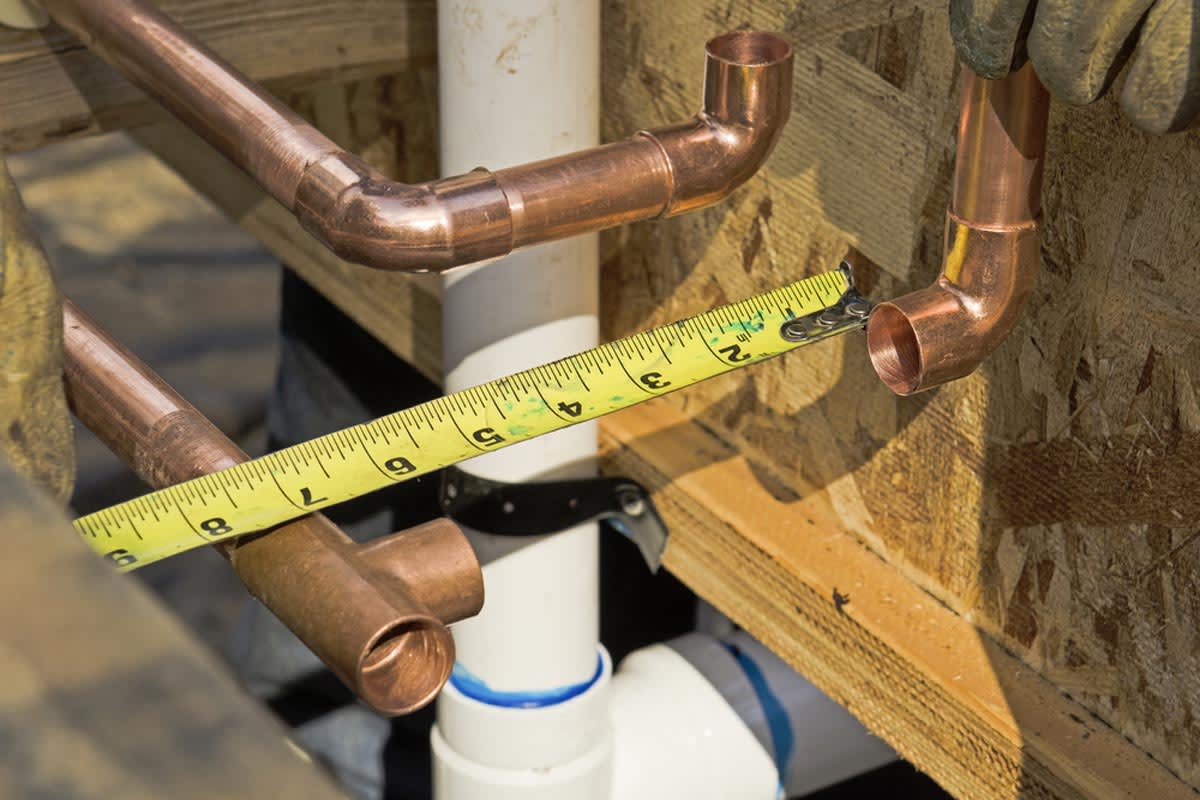
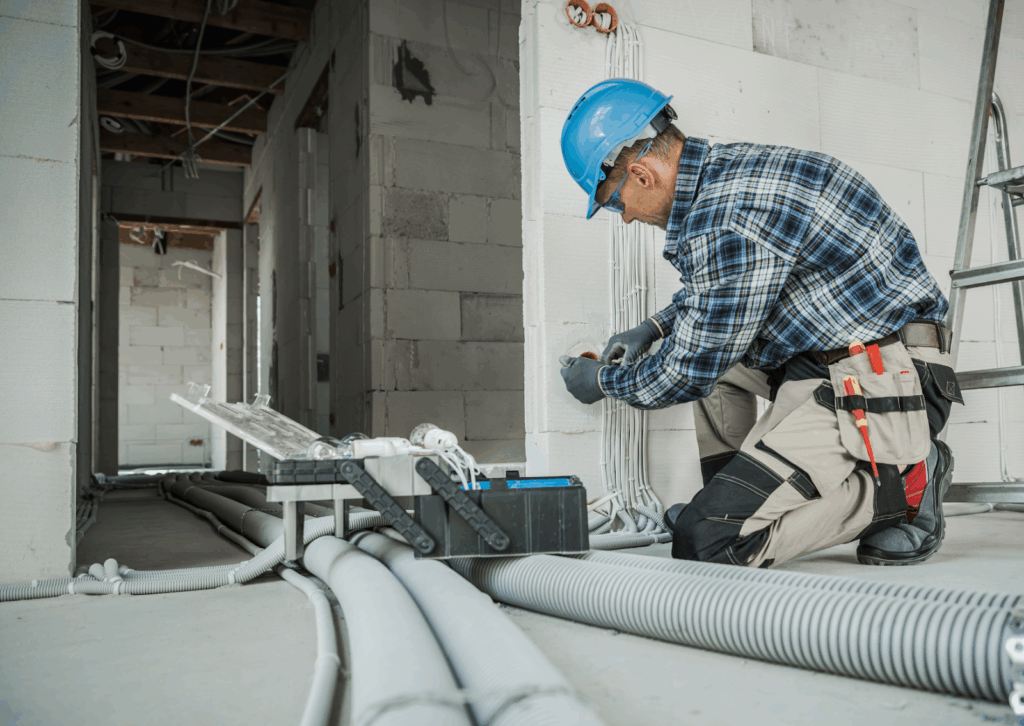
(Images above show real-world MEP work: rooftop HVAC service, electrical panel troubleshooting, copper pipe installation, and integrated MEP systems on a job site.)