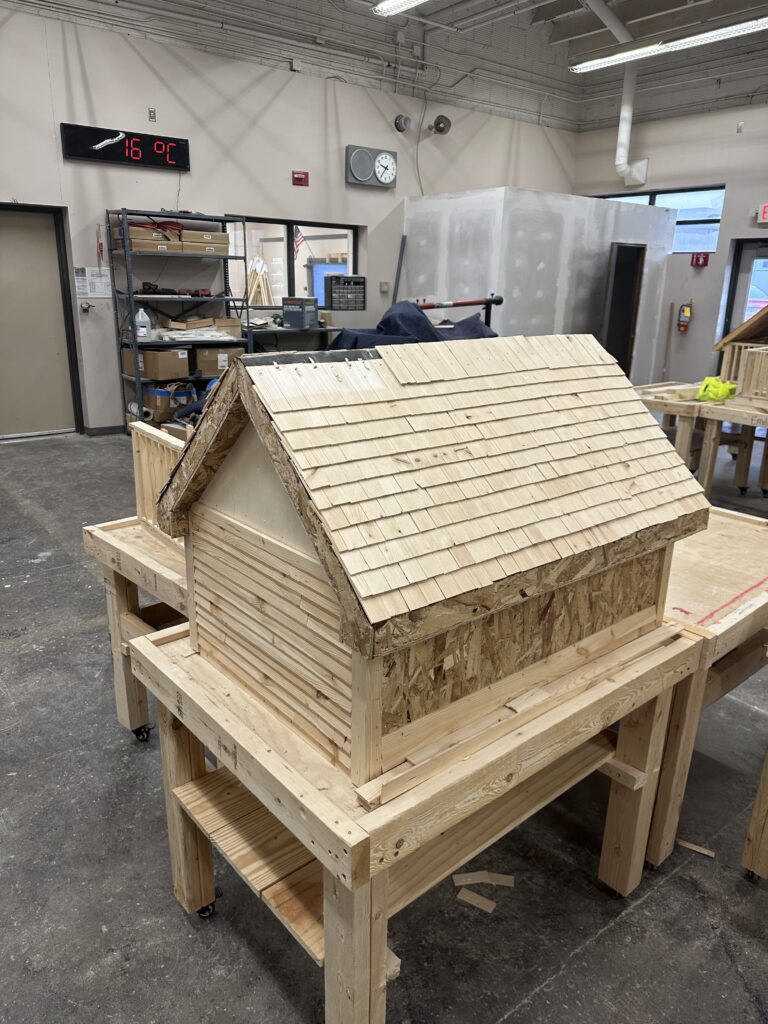
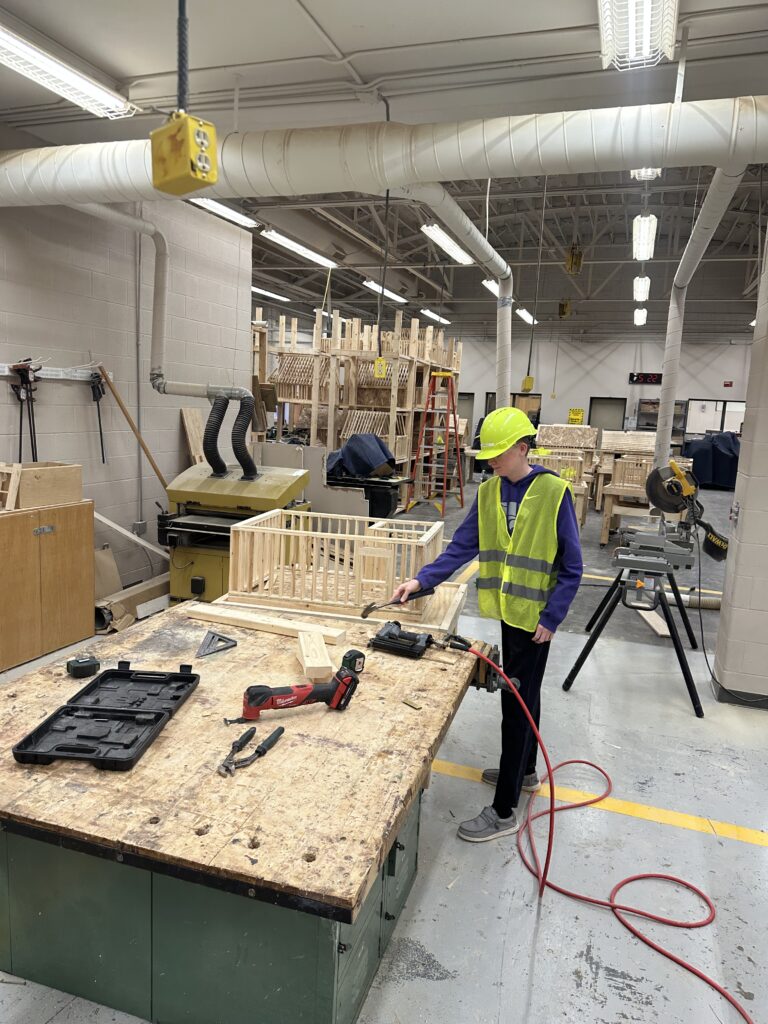
Student Reflection on Building a 40 by 100 Steel Building.
Project Statistics:

Aaron McKee, CEO Purpal Wave
- Project was provided by Aaron McKee, CEO Purple Wave
- 4000 Square Foot Steel Building
- Estimated Project Cost, $350.000
- Silt soil requiring pillars 4 feet deep in ground for each Red Iron pillar
- 8 inch flatwork with 4,000 lbs rating concrete, rebar on 3 foot center
- Installed heated hydronic floor heating system
- Two 20′ x 20′ Garadge Doors
- Two 10′ by 10′ Garadge Doors
- Floor drainage in concrete Floor
- and many more items
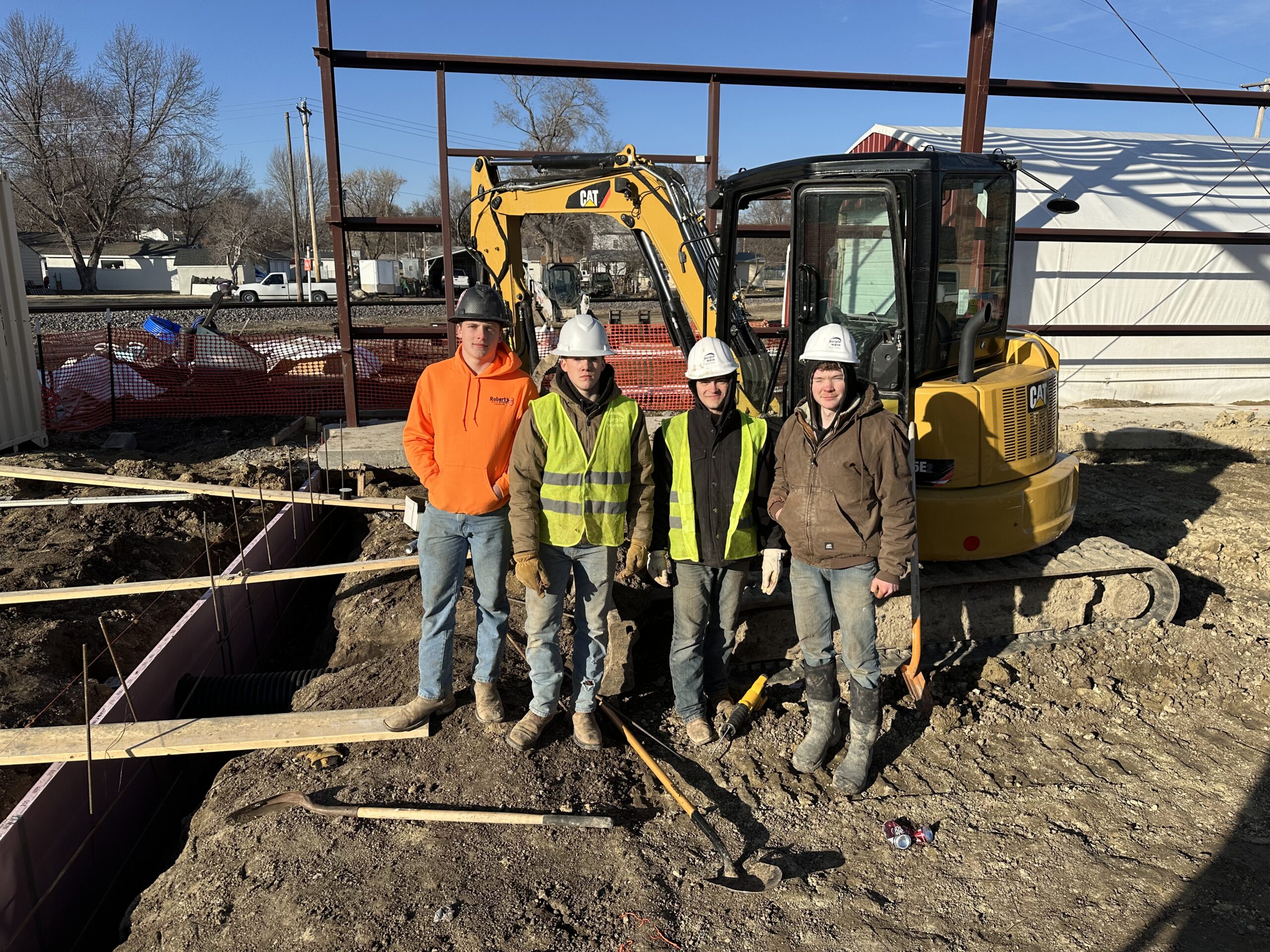
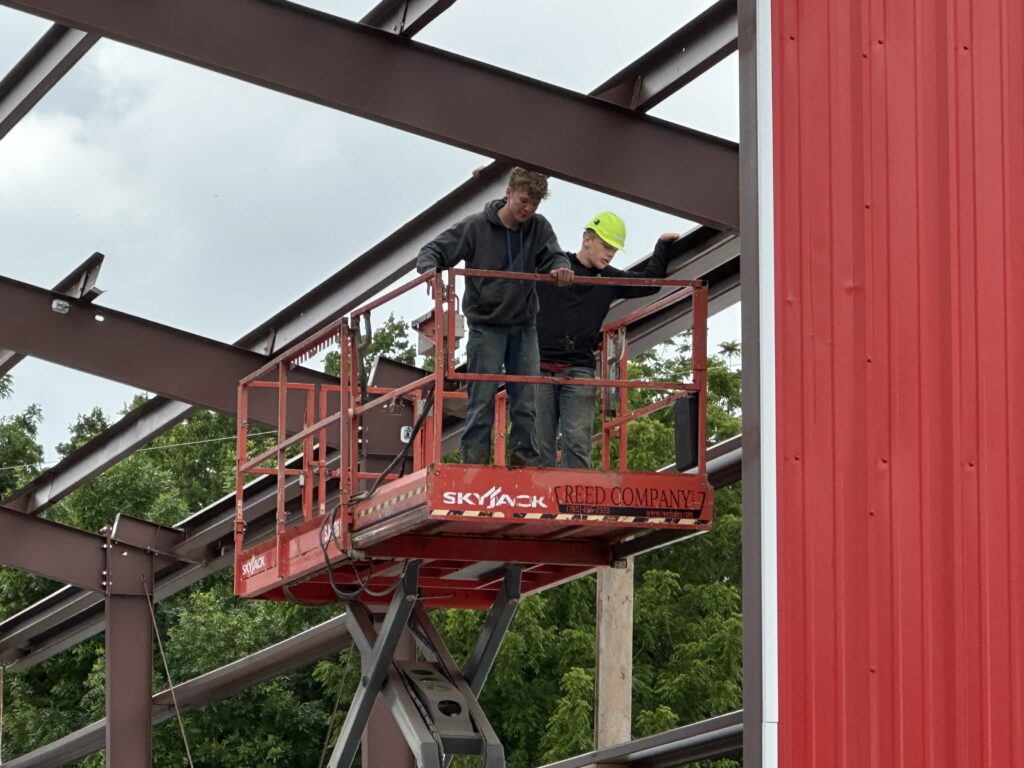
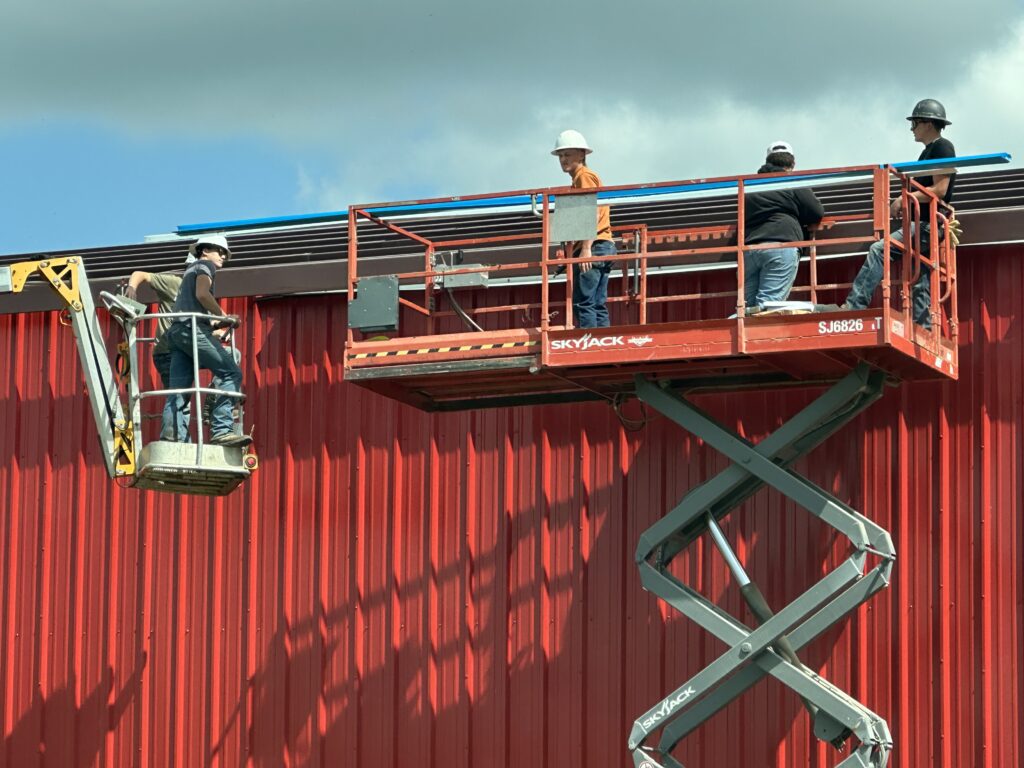
Random photos of Steel Building Project
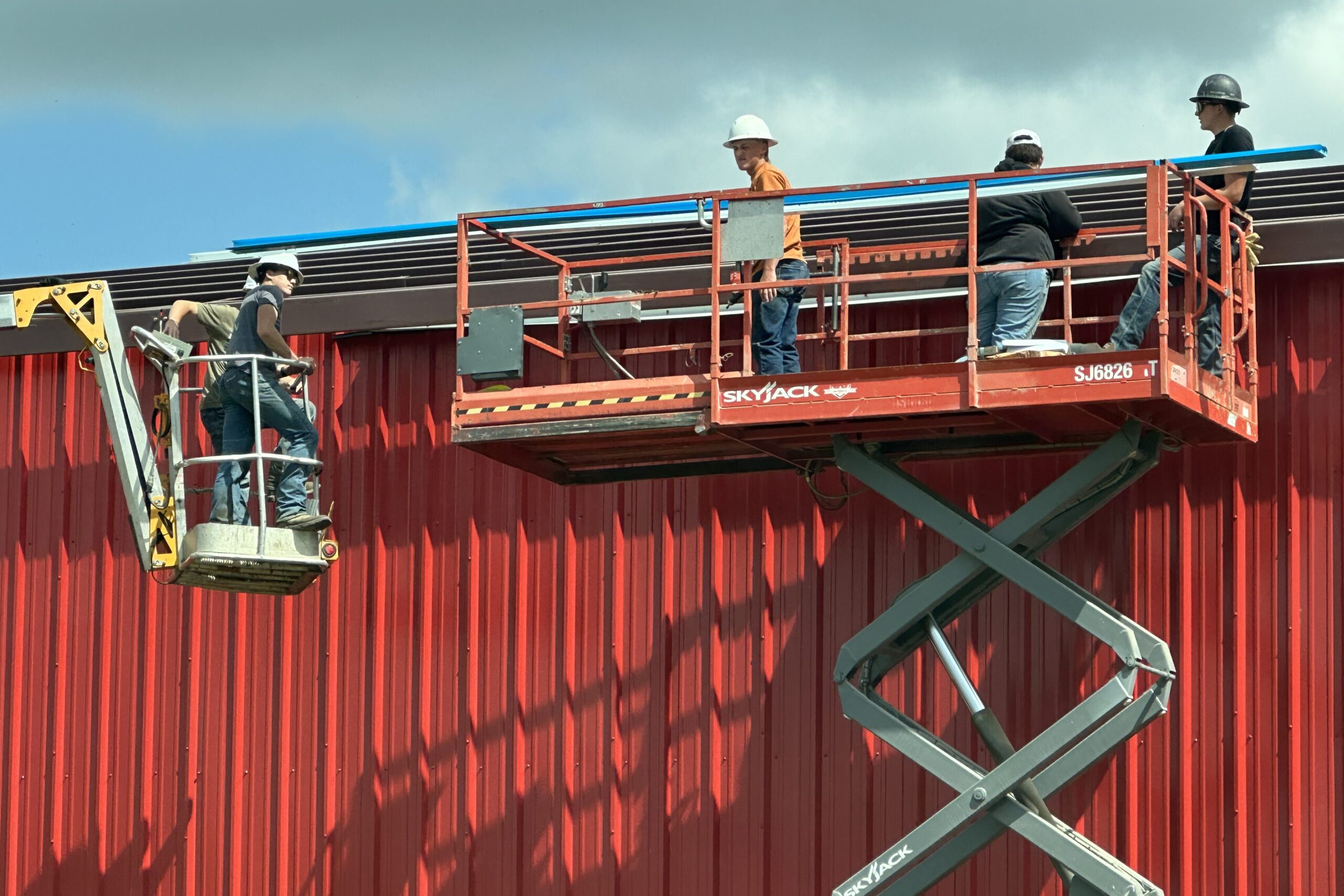
Brad Smith is the primary contact and likely owner/operator of Smith Building Co, LLC, a small construction company based in Wamego, Kansas Focuses on residential and commercial building projects, with an emphasis on quality craftsmanship located at 605 4th St, Wamego, KS 66547
Kansas Work-Based Learning (WBL) program and Leadership Training
Students in the Kansas Work-Based Learning (WBL) program, which includes internships as part of Career Technical Education (CTE), can practice leadership roles like project manager, crew chief, or similar positions promoted in the NCCER Fundamentals of Crew Leadership module, though typically in educational, supervised, or simulated contexts rather than full professional responsibility on commercial job sites.
Kansas WBL provides a continuum of experiences, including internships guided by personalized training plans that align classroom learning with real-world application. Many Kansas CTE construction pathways incorporate NCCER curriculum, which supports hands-on training and industry credentials.
The NCCER Fundamentals of Crew Leadership module specifically teaches skills for front-line roles like crew leader or foreman, including communication, delegation, problem-solving, scheduling, conflict resolution, safety leadership, and managing diverse teams. It targets emerging leaders and is available to high school juniors/seniors in some dual-enrollment or pathway programs.
In practice:
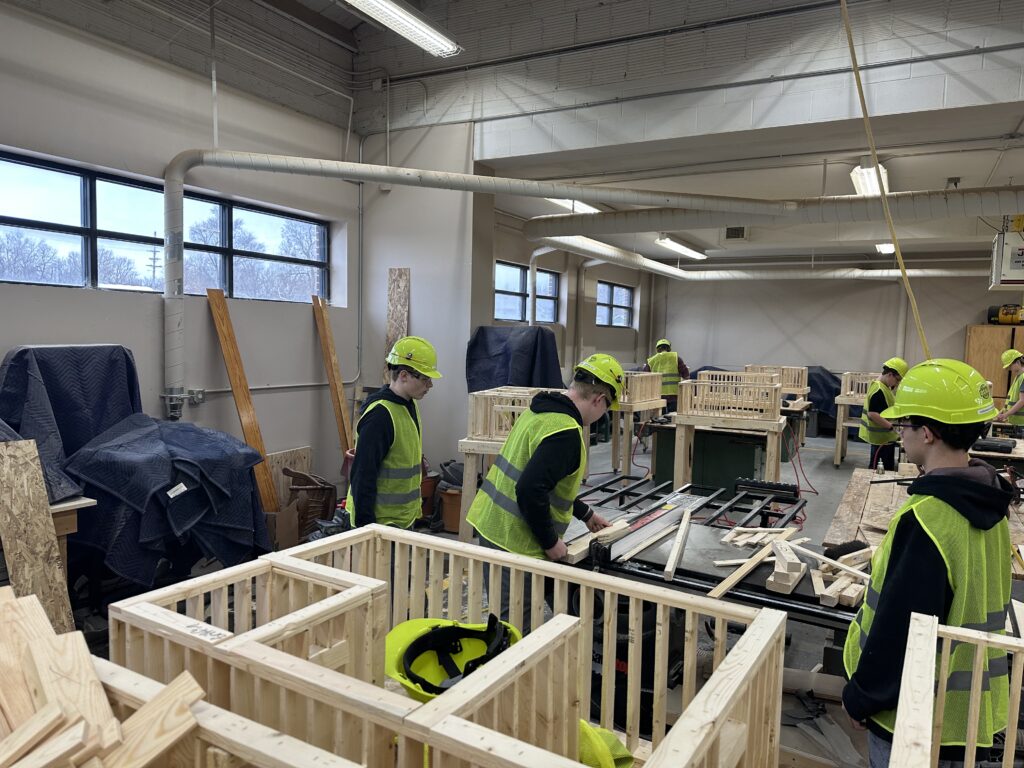
- Students often apply these skills in school-based projects → such as building structures where they rotate into student-led roles like crew chief among peers.
- During internships → leadership practice occurs under supervision, such as leading small tasks, student groups, or assisting in planning/reporting, aligned with training plans.
- Full authority as a project manager or crew chief over professional adult crews is uncommon for high school students due to age, experience, safety, and liability factors → but the programs emphasize practicing the promoted roles to build those skills.
NCCER’s work-based learning approach integrates curriculum with on-the-job experiences to develop employability and leadership skills. This supports students “playing” these roles as part of their leadership training in the Kansas program. If your specific school or district has a construction CTE pathway using NCCER, check with the instructor or WBL coordinator for how leadership rotations are implemented.
NCCER Fundamentals of Crew Leadership
The NCCER Fundamentals of Crew Leadership (Module 46101) trains emerging front-line leaders, such as project managers, crew leaders, foremen, or those transitioning into supervisory roles in construction. The current fourth edition emphasizes practical, modern leadership skills to promote safe, productive, and motivated teams.
Key Skills and Topics Covered
The curriculum focuses on these core areas:
- Leadership Principles and Styles — Learners explore different leadership approaches, ethics, characteristics of effective leaders, and the transition from peer to supervisor.
- Communication and Delegation — Learners develop effective verbal and written communication, active listening, providing clear direction, delegating tasks, and giving/receiving feedback.
- Team Leadership and Motivation — Learners build and motivate teams, address dysfunctions (e.g., using models like the Five Dysfunctions of a Team), foster commitment, and handle attitude or performance issues.
- Managing Diversity, Conflict, and Performance — Learners lead diverse crews, prevent harassment, resolve conflicts, address performance problems, and promote inclusive jobsite cultures.
- Problem-Solving and Decision-Making — Learners apply practical strategies for jobsite challenges, critical thinking, and informed decisions.
- Safety Leadership — Learners reinforce jobsite safety, conduct toolbox talks, perform job safety analyses, understand OSHA requirements, and lead safety initiatives.
- Project Planning, Scheduling, and Resource Management — Learners handle planning and scheduling (including lookahead schedules and workface planning), estimating costs, managing resources, understanding contracts and project delivery methods, and field reporting.
This module often includes performance tasks, such as delivering a safety talk, developing a schedule, or resolving a simulated conflict, to apply these skills in real-world scenarios. It’s widely used in CTE programs, apprenticeships, and work-based learning to prepare students or workers for leadership roles like crew chief or assistant project manager under supervision.
For the full curriculum or training in Kansas, check with your local NCCER-accredited training sponsor or CTE program coordinator.
Heavy Equipment Operator Certifications & Training
Laws & Regulations that allow the training of 16 and 17 year old on Heavy Equipment.
- Focused on Skid Loader, Rough Terrain Forklift, Scissor Lift, and Backhoe
- Students can earn, Certifications and Packet Cards that meet OSHA requirement to demonstrate training, good for three years.

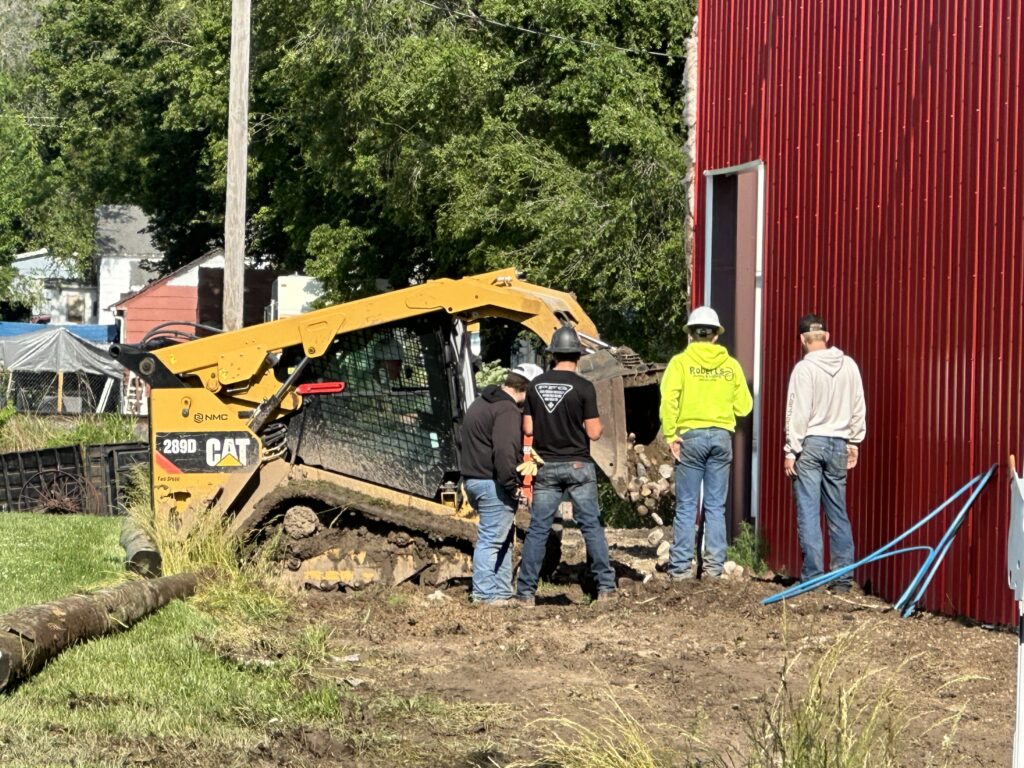
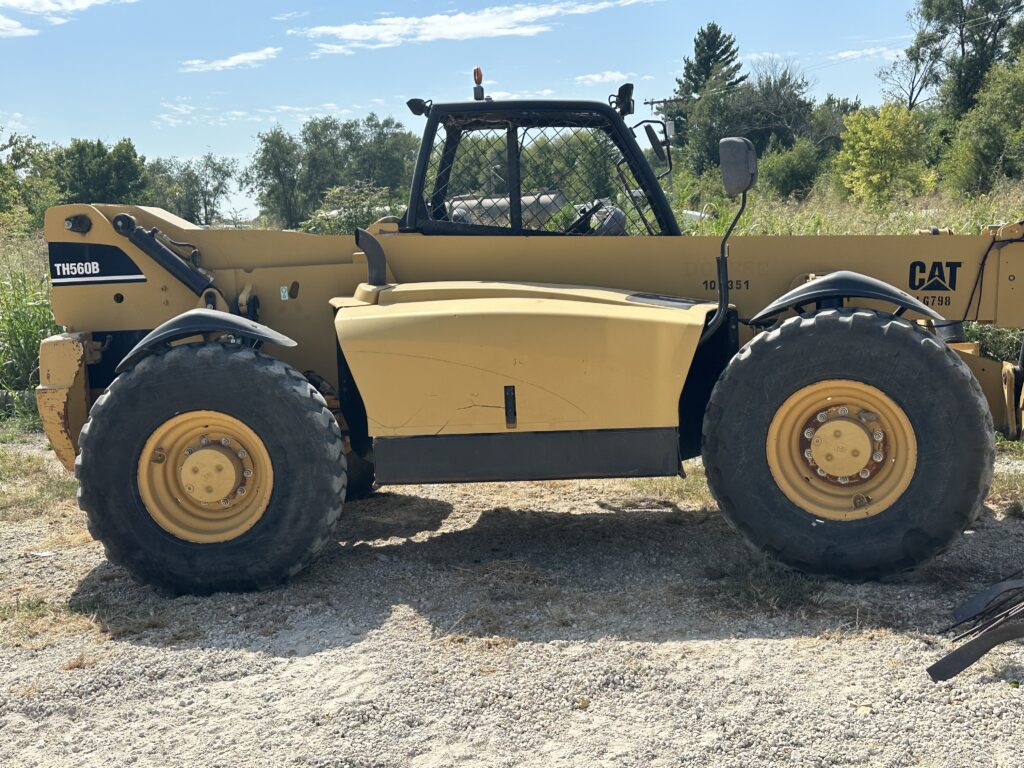
In class activities, generally 9th & 10th grades.