22203
NCCER Module 22203: Compaction Equipment Course Syllabus
Module ID: 22203 Title: Compaction Equipment Level: Heavy Equipment Operations (typically Level 2) Duration: 25 Hours (approximately 10 hours classroom/theory, 15 hours hands-on practical training) Edition Reference: Based on current NCCER Heavy Equipment Operations curriculum (e.g., ISBN 978-0-13-532546-9) Delivery Format: Blended (classroom instruction, discussion, videos, and supervised hands-on operation)
Course Description
This module introduces trainees to compaction equipment used in heavy equipment operations, with a primary focus on rollers. It covers common types of compaction equipment, key components (instruments, controls, and attachments), safety guidelines, prestart inspections, preventive maintenance, and safe operating procedures. Trainees will learn factors influencing compaction activities, including soil types, material compaction processes (e.g., soil, asphalt, backfilling), and basic production considerations.
Prerequisites
- Successful completion of NCCER Core Curriculum (Basic Safety, Introduction to Construction Math, etc.)
- NCCER Heavy Equipment Operations Level 1
- Basic understanding of heavy equipment safety and operational techniques
Learning Objectives
Upon successful completion of this module, trainees will be able to:
- Identify and describe common types of compaction equipment and their applications.
- Identify primary instruments, controls, gauges, and attachments on a typical roller.
- Explain safety hazards and guidelines associated with compaction equipment operation.
- Perform prestart inspections and basic preventive maintenance on compaction equipment.
- Safely start up, maneuver, operate, and shut down a roller.
- Describe compaction processes for leveling soil, compacting granular/cohesive materials, asphalt, cement, and backfilling trenches.
- Understand key factors in compaction work, including soil properties, density requirements, and production calculations.
Course Outline and Schedule
Session 1: Introduction to Compaction (4 hours)
- Purpose of compaction: improving soil stability, load-bearing capacity, and reducing settling.
- Soil types and properties affecting compaction (granular vs. cohesive soils).
- Overview of compaction principles and density testing.
Session 2: Types of Compaction Equipment (5 hours)
- Common compaction equipment categories.
- Focus on rollers and their uses:
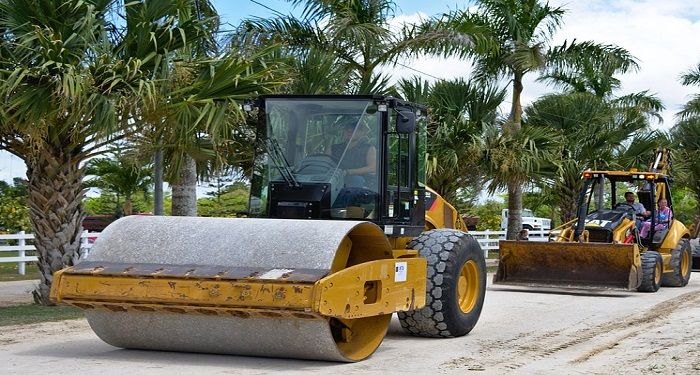
- Smooth drum rollers (for finish work and granular materials).
- Sheepsfoot/padfoot rollers (for cohesive soils).
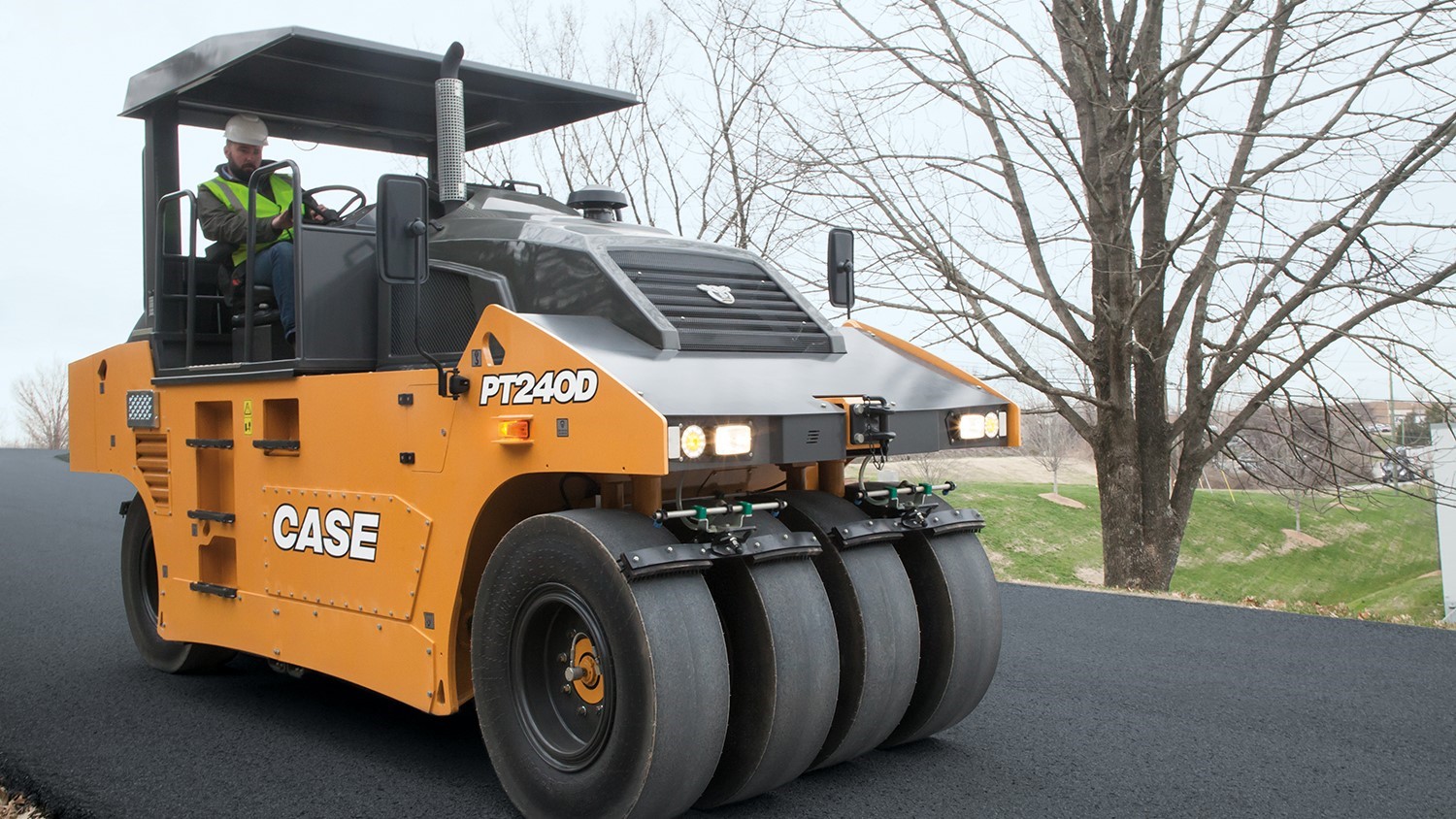
- Pneumatic tire rollers (for asphalt and sealing).
- Vibratory rollers (for efficient deep compaction).




Session 3: Roller Components and Controls (4 hours)
- Primary instruments and gauges (e.g., fuel, temperature, vibration frequency).
- Controls (steering, throttle, vibration, articulation).
- Common attachments and options (e.g., padfoot shells, blade attachments).
Session 4: Safety Guidelines (3 hours)
- Hazards specific to compaction (rollover, vibration exposure, slopes).
- Personal protective equipment (PPE) and safe practices.
- Site hazards and communication (spotters, traffic control).
Session 5: Maintenance and Inspections (3 hours)
- Daily prestart walkthrough inspections.
- Basic preventive maintenance (fluid checks, track/drum condition, vibration system).
- Reporting defects and shutdown procedures.
Session 6: Operating Procedures and Techniques (4 hours)
- Safe startup, maneuvering, and shutdown.
- Operating on slopes, turns, and varying terrains.
- Compaction patterns and passes for optimal density.
Session 7: Work Activities, Applications, and Review (2 hours)
- Compacting soil, asphalt, cement, and backfilling.
- Factors affecting efficiency (moisture content, lift thickness).
- Basic calculations (production rates, compaction efficiency).
- Module review and Q&A.
Hands-On Training
Integrated throughout sessions, with supervised operation on actual compaction equipment (primarily rollers). Trainees will perform startup/shutdown, basic maneuvers, and simulated compaction tasks.
Assessment Methods
- Written Exam: Multiple-choice questions covering theory, safety, components, and procedures (passing score: 70% or higher).
- Performance Verification: Hands-on evaluation of key tasks (e.g., prestart inspection, safe operation, shutdown). Based on NCCER performance tasks for compaction equipment (roller-focused).
- Attendance and Participation: Required for certification.
Required Materials
- NCCER Compaction Equipment Trainee Guide (Module 22203).
- Personal protective equipment (hard hat, safety glasses, gloves, steel-toe boots, high-visibility vest).
- Notebook and pen for notes.
Certification
Successful completion (passing written exam and performance tasks) earns NCCER credential for Module 22203: Compaction Equipment, contributing toward Heavy Equipment Operator certification.
This syllabus aligns with official NCCER guidelines and can be adjusted based on specific training facility resources and equipment availability.