22103
NCCER Module 22103: Classification of Heavy Equipment
Course Title: Classification of Heavy Equipment (Identification of Heavy Equipment) Module ID: 22103 Craft: Heavy Equipment Operations (Level 1) Recommended Hours: 20 hours (including instruction, review, and assessment; actual hours may vary by program) Prerequisites: None (recommended: completion of Basic Safety module)
Course Description This module introduces trainees to the most commonly used heavy equipment in the construction and mining industries. Trainees learn to identify, classify, and describe the functional operations, uses, capabilities, limitations, drive systems, and auxiliary systems of various types of heavy equipment.
Learning Objectives Upon successful completion of this module, trainees will be able to:
- Identify and classify major types of heavy equipment by appearance, function, and components.
- Describe the primary uses, capabilities, and limitations of each type of equipment.
- Explain common drive systems (e.g., tracked vs. wheeled, articulated, hydrostatic, torque converter).
- Identify and describe key auxiliary systems (e.g., fuel, cooling, electrical, hydraulic, exhaust, lubrication).
- Recognize equipment from documentation, images, or on-site observation.
Performance Objectives (Aligned with NCCER standards)
- Visually identify at least 8-10 major types of heavy equipment.
- Describe the operational purpose and typical applications for each identified piece of equipment.
- Explain basic drive and auxiliary systems in heavy equipment.
Content Outline
1. Introduction to Heavy Equipment Classification
- Role of heavy equipment in construction and mining
- Basic terminology and classification methods (by function, mobility, powertrain)
- Importance of understanding capabilities and limitations for safety and efficiency
2. Earthmoving and Excavation Equipment
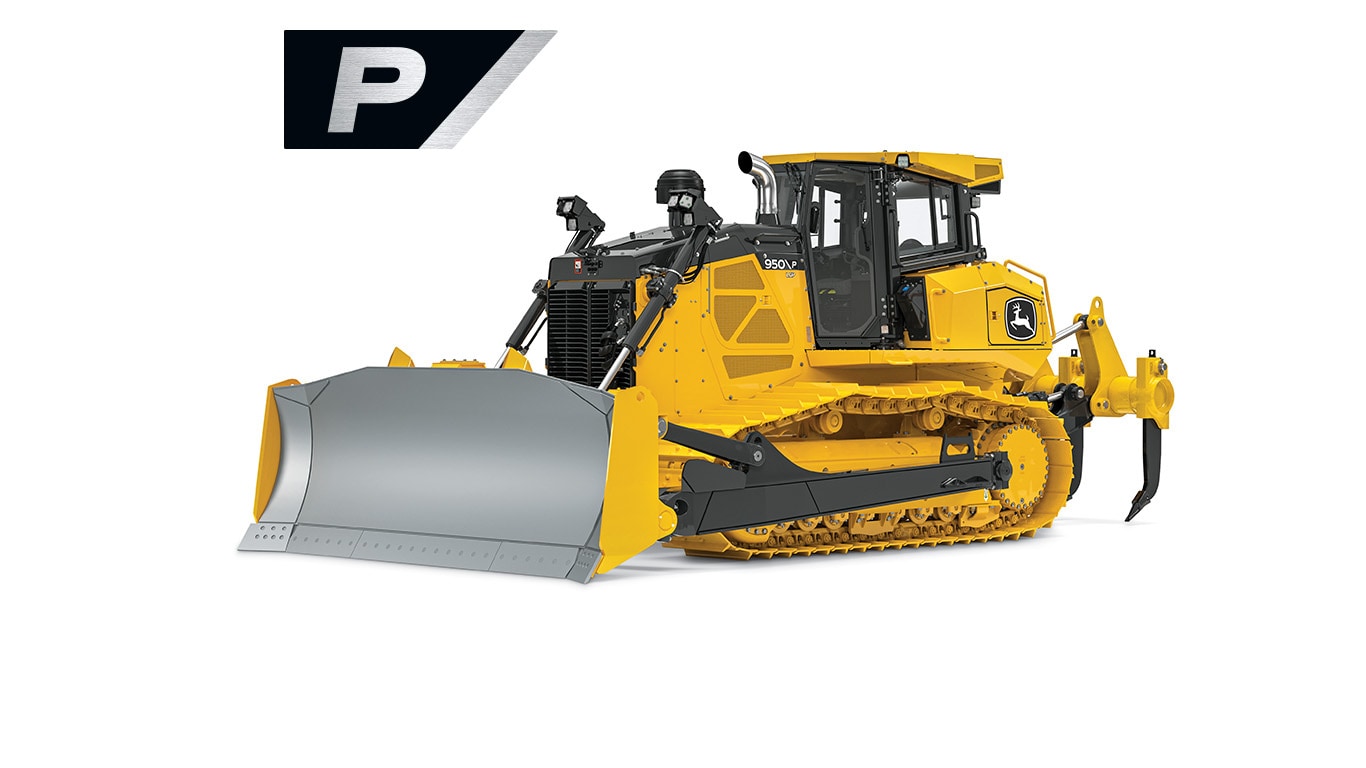
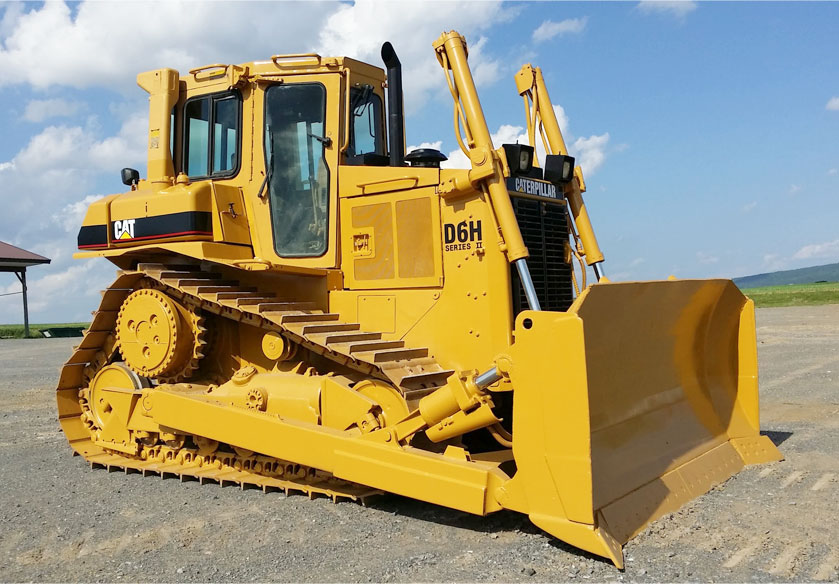
- Crawler Dozers Used primarily for pushing large quantities of material, rough grading, and site clearing. Tracked for stability on rough terrain.
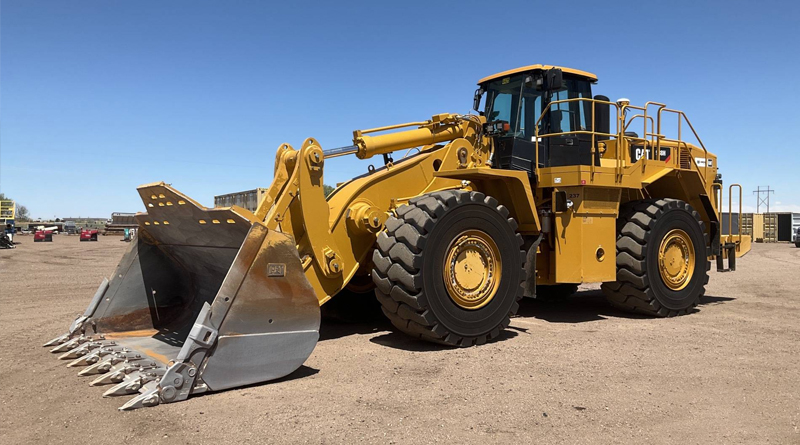
- Wheel Loaders Versatile for loading materials into trucks, stockpiling, and light excavation. Wheeled for faster travel on improved surfaces.

constructionequipmentguide.com
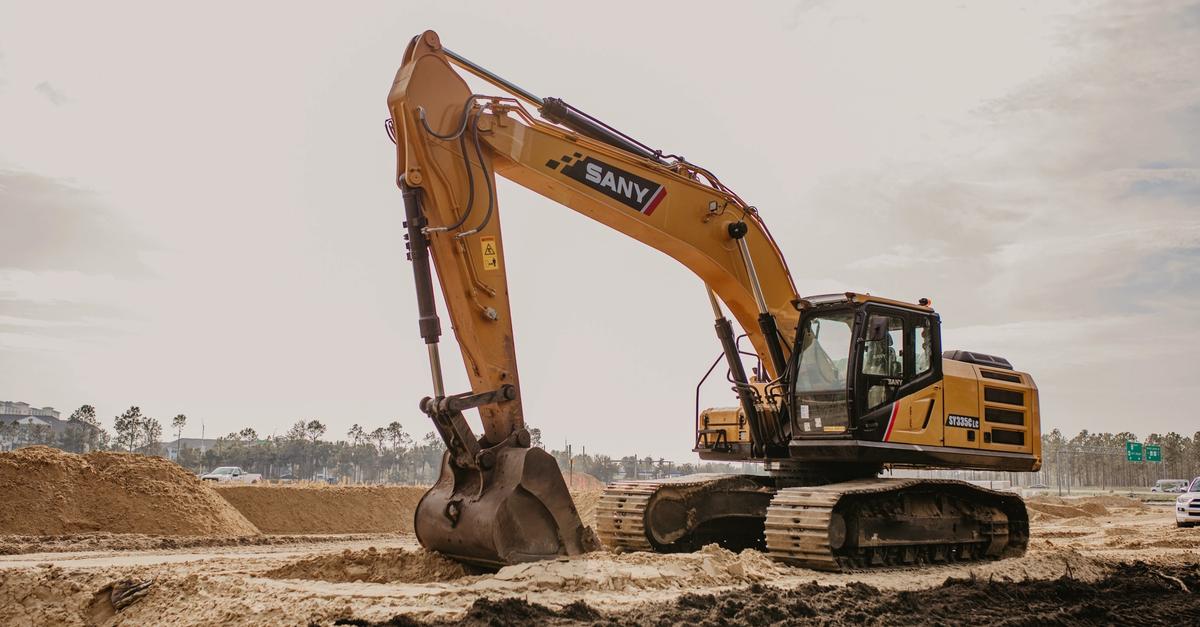
- Hydraulic Excavators Used for digging trenches, foundations, and material handling with precise control. Available in crawler or wheeled configurations.

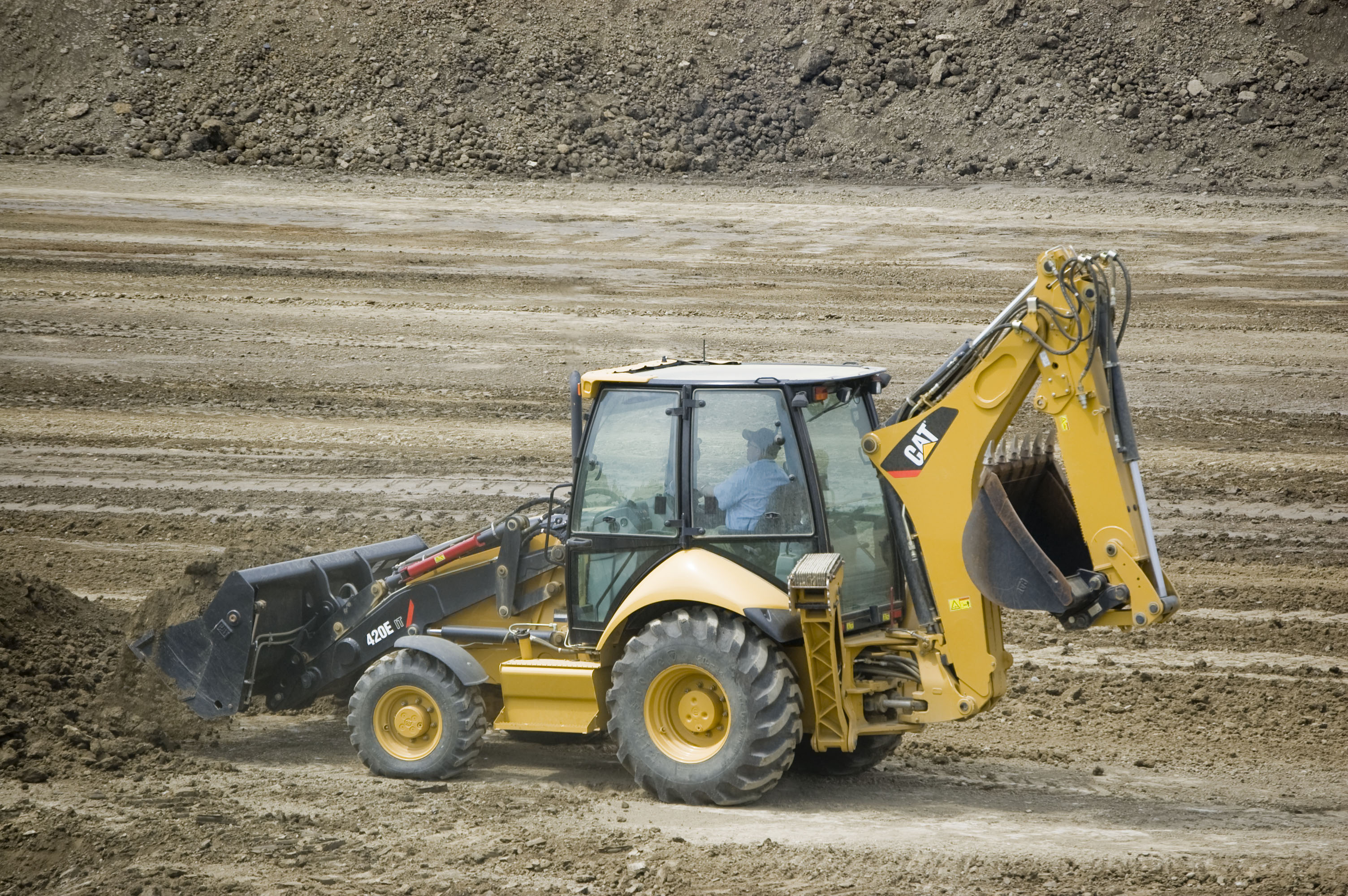
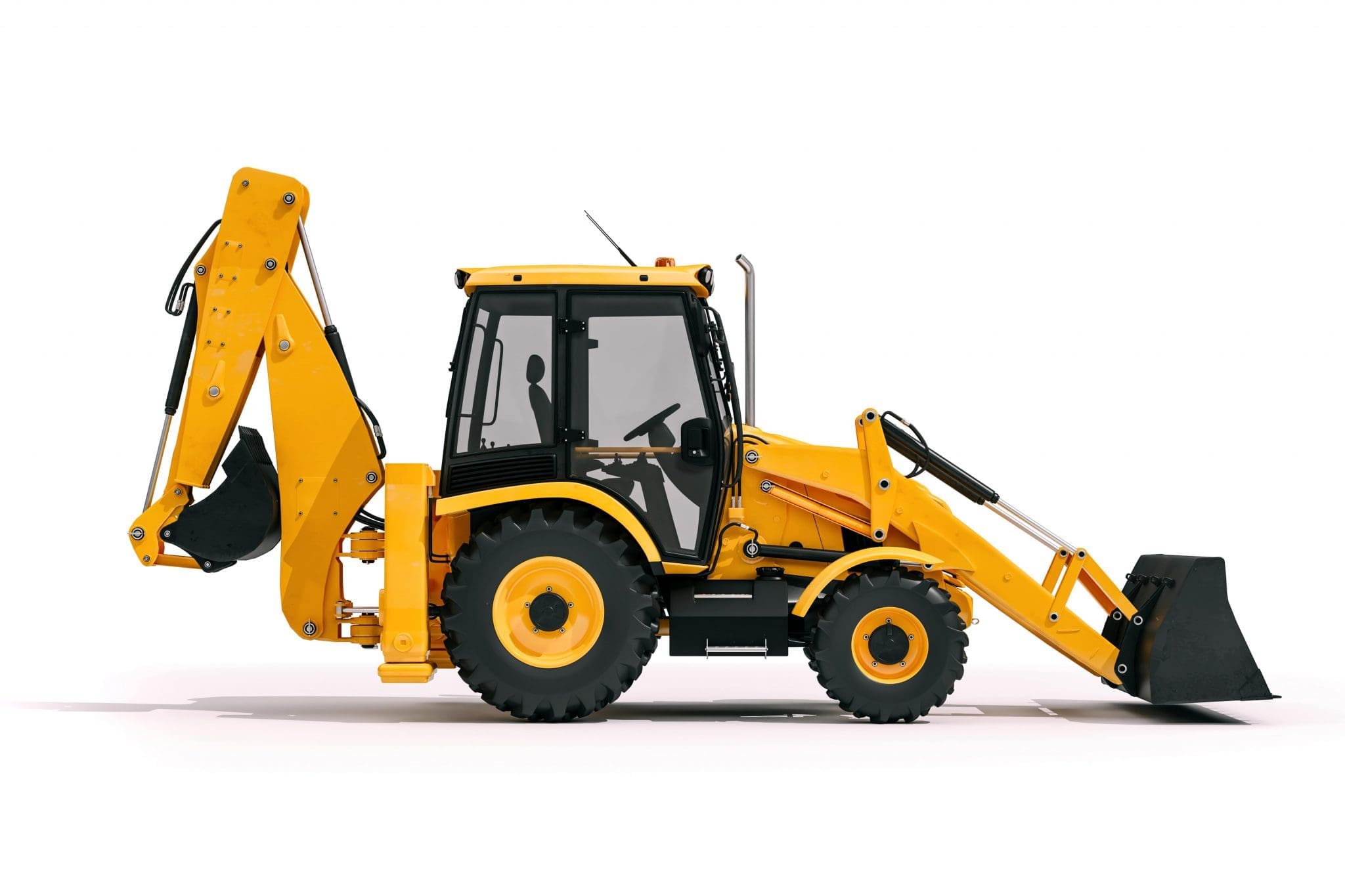
- Backhoe Loaders Multifunctional with front loader bucket and rear digging arm; ideal for smaller sites and utility work.
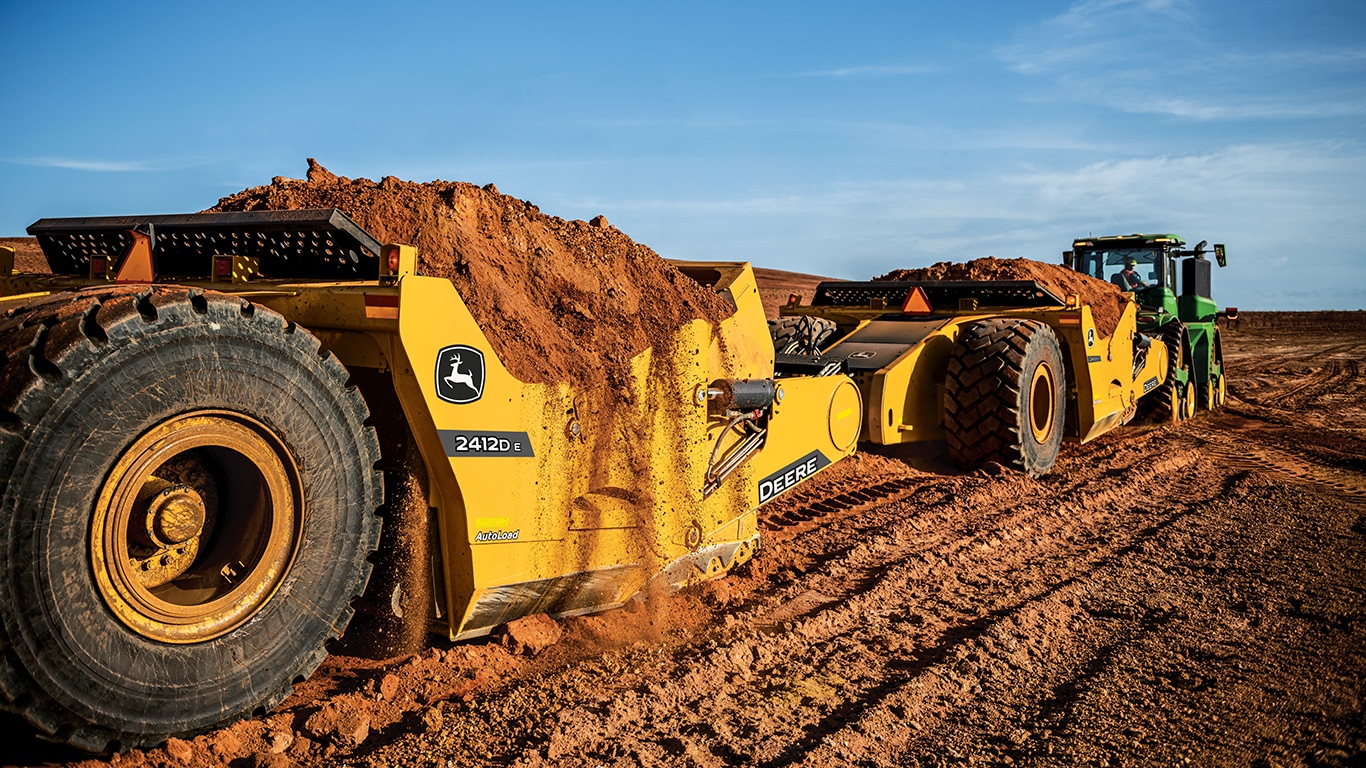
- Scrapers Specialized for cutting, loading, hauling, and dumping earth over long distances (e.g., highway projects). Often pan-type with elevator or auger.

3. Grading and Finishing Equipment
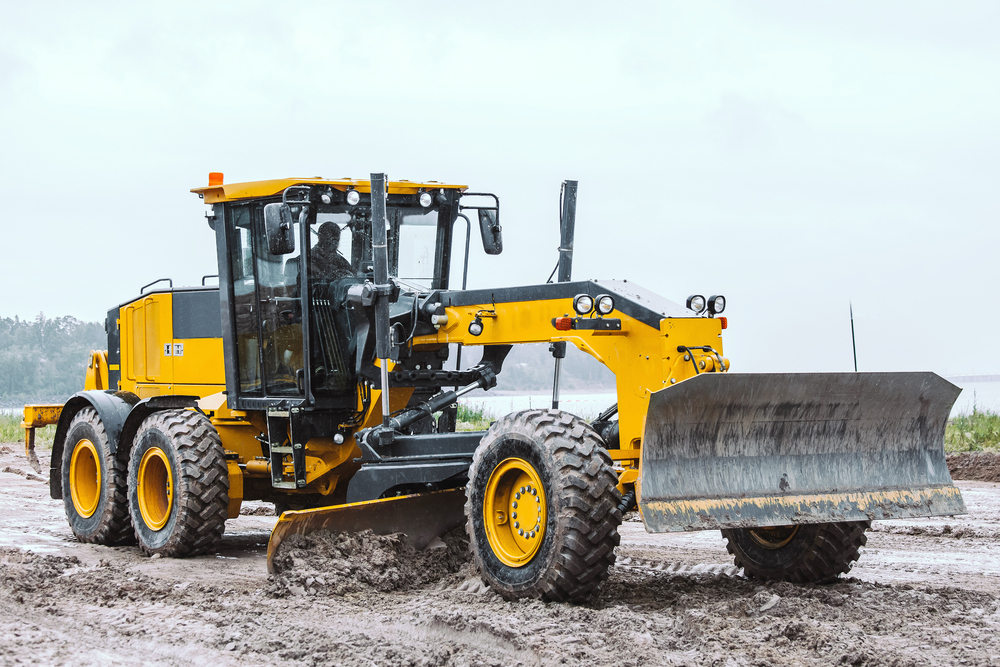
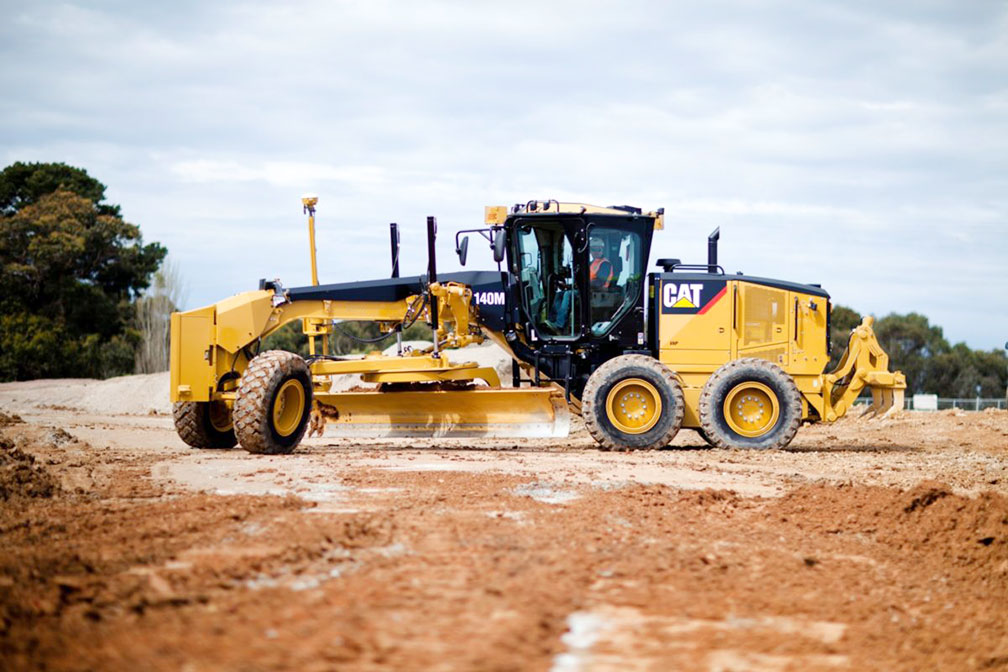
- Motor Graders Used for fine grading, creating sloped surfaces, and maintaining roads. Long wheelbase for precision.
4. Compaction Equipment
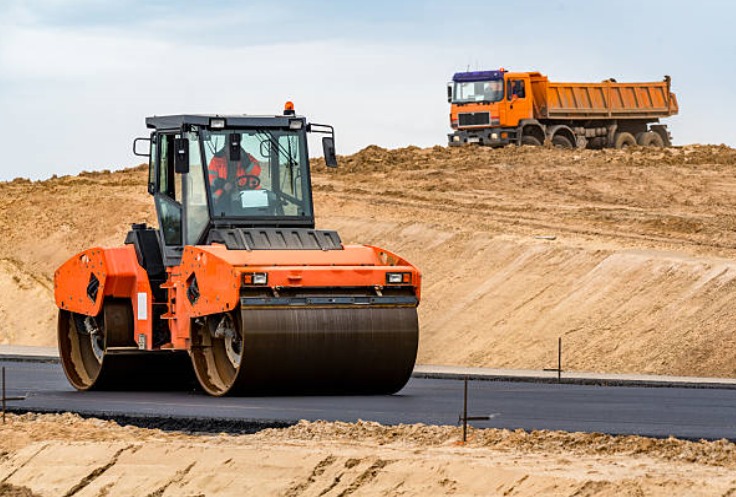
- Vibratory Rollers/Compactors Used for compacting soil, gravel, and asphalt. Types include smooth drum, padfoot/sheepsfoot, and pneumatic.

5. Hauling Equipment
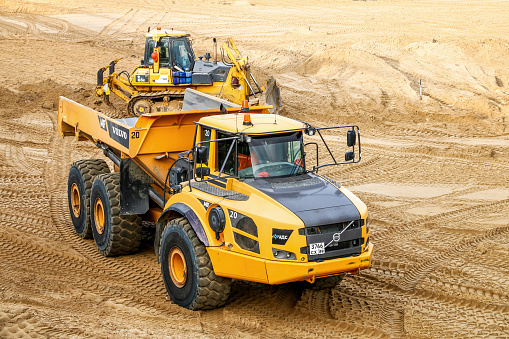
- Off-Road Articulated Dump Trucks Designed for rough terrain hauling of large loads; articulated steering for maneuverability. Capacities often 25-50 tons.

6. Drive and Auxiliary Systems
- Tracked vs. wheeled mobility
- Articulated frames and steering
- Powertrain components (engines, transmissions, differentials)
- Auxiliary systems: hydraulic, electrical, cooling, fuel, exhaust, and lubrication
Instructional Methods
- Instructor-led presentations and discussions
- Multimedia (videos, PowerPoints from NCCER resources)
- Group activities for equipment identification
- Hands-on observation (if equipment available) or image-based exercises
Assessment Methods
- Module examination (multiple-choice written test)
- Performance profile evaluation (identification tasks)
- Minimum passing score: 70% (per NCCER guidelines)
Required Materials
- NCCER Heavy Equipment Operations Trainee Guide (current edition)
- NCCER PowerPoint slides and instructor resources
- Access to images, videos, or actual heavy equipment for identification
References
- NCCER Heavy Equipment Operations Curriculum
- Manufacturer operator manuals (e.g., Caterpillar, John Deere, Komatsu)
- OSHA and MSHA safety guidelines related to equipment operation
This syllabus aligns with NCCER standards and prepares trainees for advanced modules in specific equipment operation. Adjustments can be made based on program needs or equipment availability.