27210 Windows, Door, Floor, and Ceiling Trim
Course Syllabus: NCCER Carpentry Level 2
Module 27210-13: Window, Door, Floor, and Ceiling Trim
Course Duration: 25 Hours Module ID: 27210-13 (2013 Edition) Prerequisites: Successful completion of NCCER Carpentry Level 1 (including Core Curriculum) Required Textbook: NCCER Carpentry Level 2 Trainee Guide (ISBN for module: 978-0-13-377916-5) Certification: Upon successful completion (70% or higher on module exam and satisfactory performance profiles), students earn NCCER credential for this module, contributing to Carpentry Level 2 certification.
Course Description
This module introduces the different types of trim used in interior finish work. It emphasizes proper selection, cutting, and fastening methods to achieve a professional appearance. Topics include window, door, floor, and ceiling trim installation, with focus on safety, tools, joint types, and material estimation.
Learning Objectives
By the end of this course, students will be able to:
- Identify common types of interior trim and their applications.
- Recognize safety hazards and apply OSHA guidelines when working with trim tools and materials.
- Select appropriate tools, materials, and fasteners for various trim installations.
- Calculate material quantities for trim projects.
- Cut and fit trim using mitered, coped, scarf, and compound joints.
- Install window trim using conventional and picture-frame methods.
- Install door casings, including optional plinth blocks and rosettes.
- Install baseboards, shoe molding, and other floor trim.
- Install crown molding and ceiling trim.
- Demonstrate professional fastening techniques for a clean finish.
Required Materials and Tools
- Personal protective equipment (PPE): safety glasses, hearing protection, dust mask.
- Hand tools: hammer, coping saw, utility knife, tape measure.
- Power tools: compound miter saw, pneumatic nailer (provided in lab).
- Trim materials (provided): various moldings, casings, baseboards.
- Notebook and calculator for estimations.
Course Outline and Schedule (25 Hours Total)
Hours 1-3: Introduction and Safety
- Overview of interior trim in residential and commercial finishing.
- Safety practices (OSHA guidelines, tool inspection, dust control).
- Common tools and fasteners (e.g., 15-gauge nails for hardwood trim).
Hours 4-9: Window Trim (6 hours)
- Types of window trim: casing, stool, apron.
- Reveal (typically 1/4 inch) and installation methods.
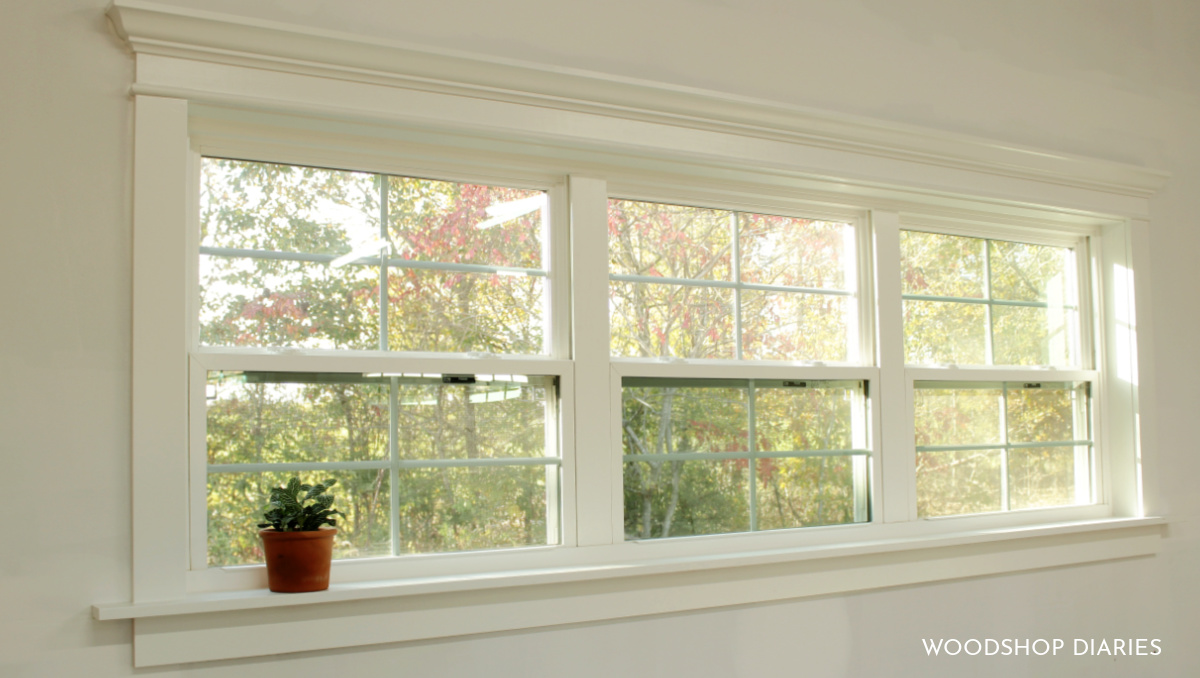
- Conventional vs. picture-frame trimming.
- Cutting and fitting techniques.

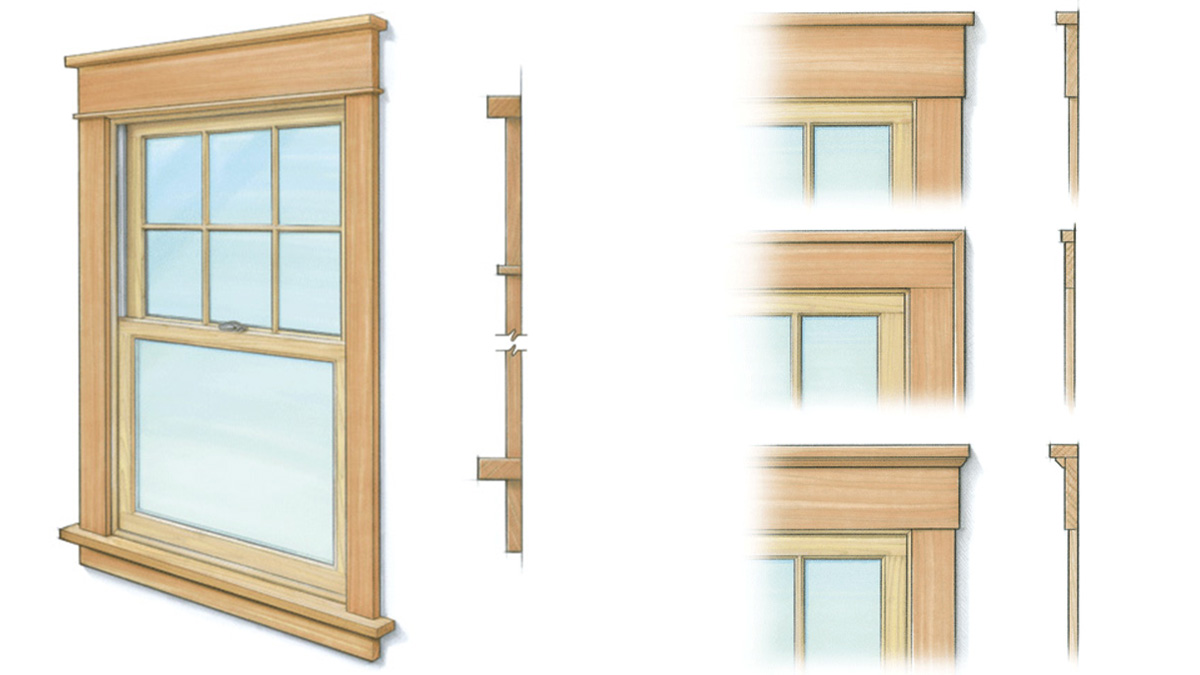
Conventional window trim example (left) and detailed interior window trim (right).
:max_bytes(150000):strip_icc()/window-guide-casement-0919-6ef8cf59f5d94b50963329280ad6fa72.jpg)
Picture-frame style window trim examples.
Hours 10-14: Door Trim (5 hours)
- Door casing installation: head and side casings.
- Use of plinth blocks and rosettes for enhanced appearance.
- Fitting around door jambs.
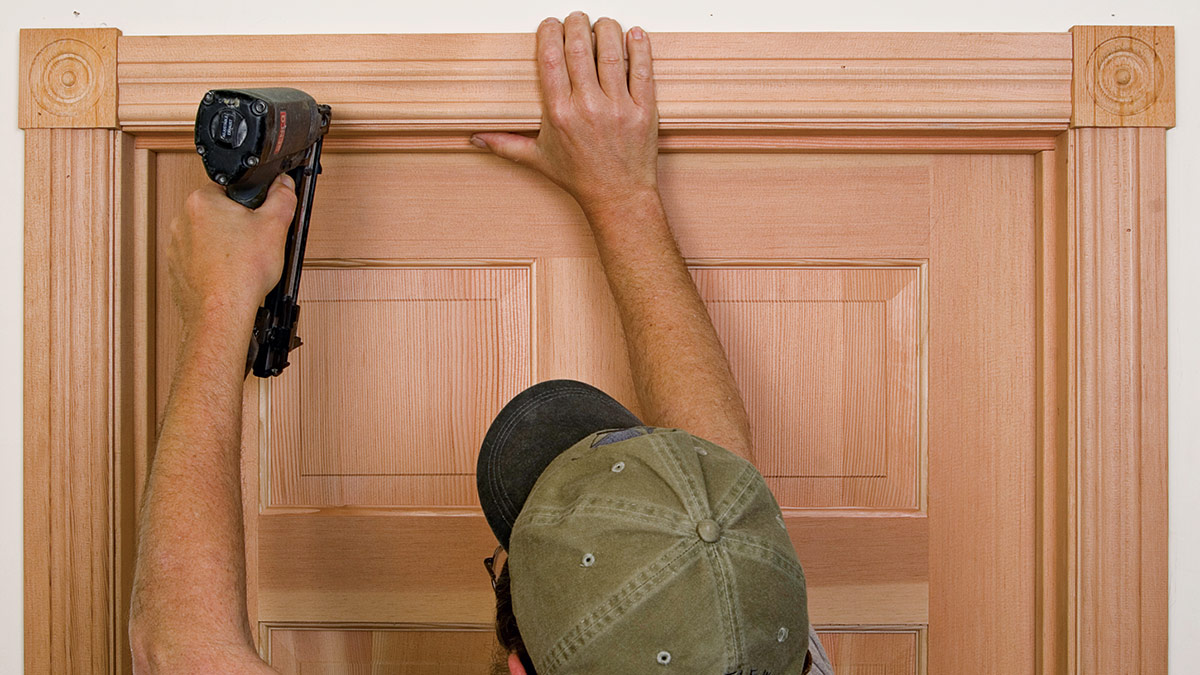
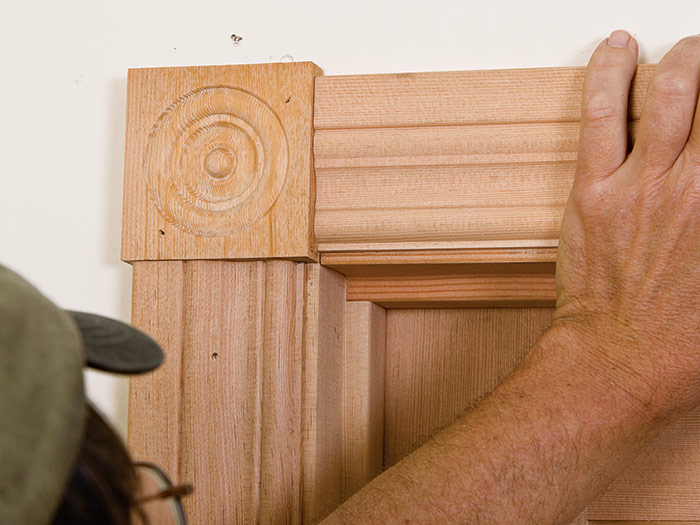
Door casing with rosettes and plinth blocks.
Hours 15-18: Floor Trim (4 hours)
- Baseboard and shoe/quarter-round molding.
- Mitered joints for corners; nailing into floor vs. wall.
- Handling irregularities in floors.
:strip_icc()/bhg-how-to-install-shoe-molding-hero-3x2-9401_D-uRq1u04x89yJKaGxBJIy-0ab5131b9c4e499b831039c991ed150c.jpg)
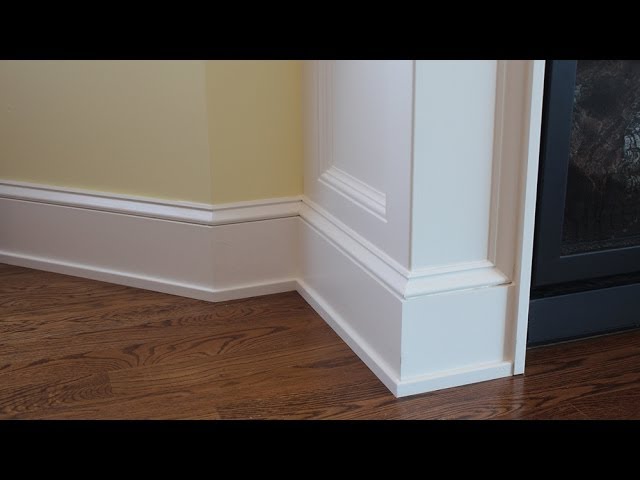
Baseboard with shoe molding installation.
Hours 19-22: Ceiling Trim (4 hours)
- Crown molding installation (typically at 45 degrees).
- Compound cuts and corner treatments.
- Scarf joints for long runs.
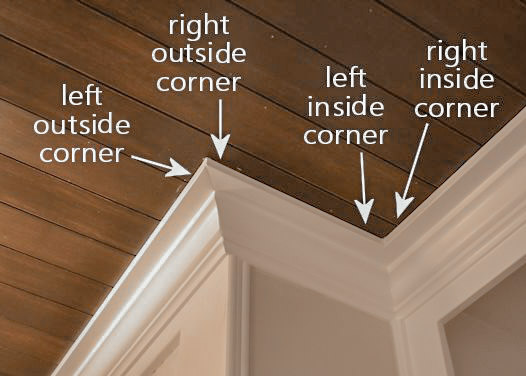
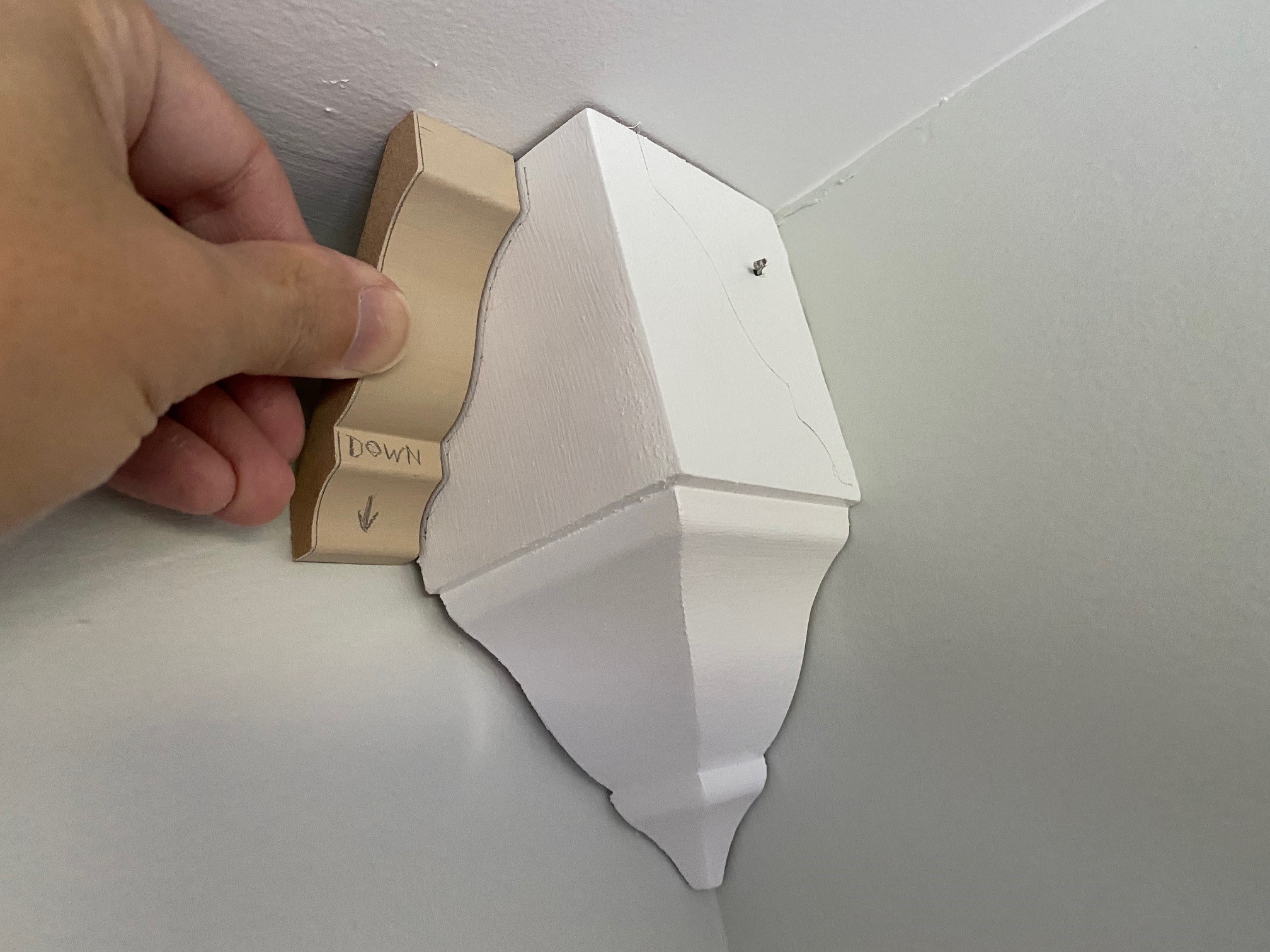
Crown molding corner installations.
Hours 23-24: Joints and Advanced Techniques (2 hours)
- Mitered vs. coped joints (coped preferred for inside corners to allow movement).


Comparison of mitered (left) and coped joints.
Hour 25: Review and Assessment
- Material takeoff practice.
- Final performance tasks and module review.
Assessment Methods
- Performance Profiles: Hands-on tasks evaluated per NCCER standards (pass/fail).
- Module Examination: Written test (minimum 70% to pass).
- Participation and Safety Compliance: Ongoing observation.
Policies
- Attendance: Full participation required for performance testing.
- Safety: Zero tolerance for violations; PPE mandatory at all times.
- NCCER Registry: Successful completers entered into national registry.
This syllabus aligns with NCCER’s standardized curriculum for consistent, industry-recognized training.